Everything You Need to Know Before You Go
RAJA AMPAT TRAVEL GUIDE 2025
Below you’ll find answers to the most frequently searched questions about Raja Ampat — from how to get there to what to pack.
Raja Ampat isn’t just a destination — it’s an experience.
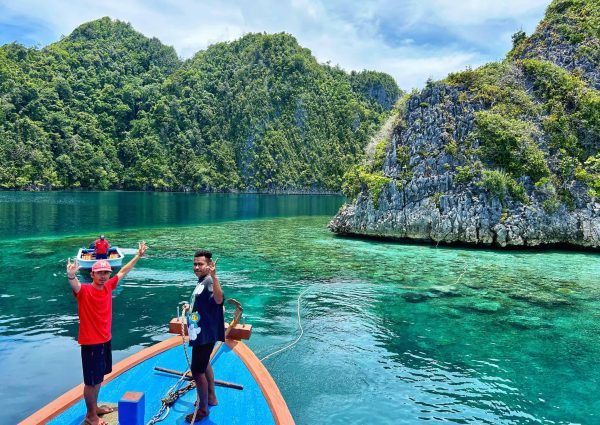
Whether you’re swimming in a turquoise lagoon, diving with manta rays, snorkeling in coral gardens, hiking limestone cliffs or sharing a meal in a local village, you’ll discover why it’s called the last paradise on Earth.
Plan wisely, travel respectfully and let Raja Ampat’s magic unfold at its own slow island rhythm.
Getting There & Logistics
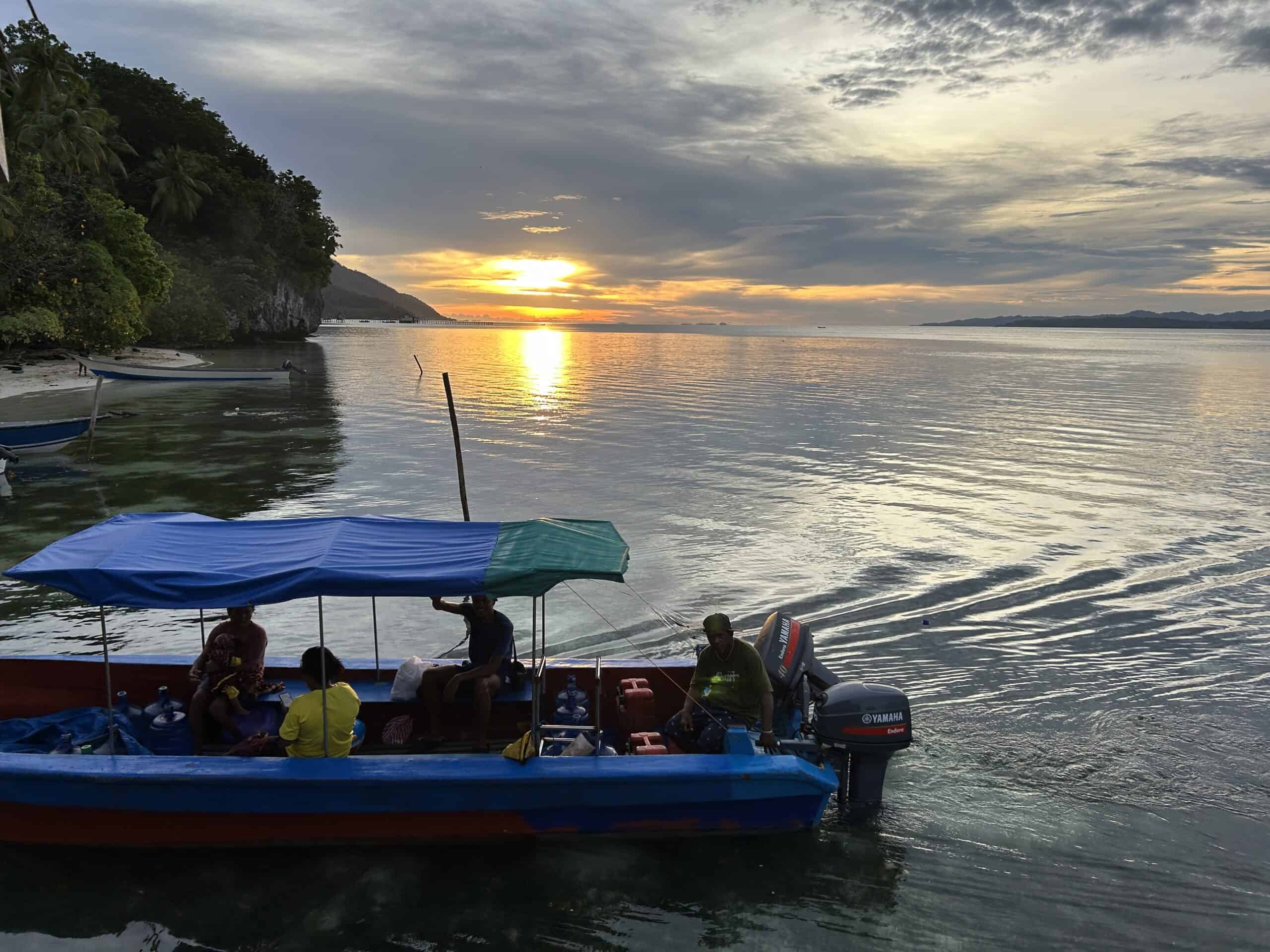
You’ll first fly to Sorong, in West Papua, Indonesia. From Sorong, take a public ferry or speedboat to Waisai, the capital of Raja Ampat. Most hotels and homestays can organize transfers for you.
The nearest airport is Domine Eduard Osok Airport (SOQ) in Sorong. Daily flights connect Sorong with Jakarta, Makassar, Denpasar and Manado.
From Jakarta, the flight takes about 4 hours. From Bali, expect 6–7 hours with a short layover in Makassar or Jakarta, plus 2 hours by ferry to Waisai.
Yes, visitors must purchase a Raja Ampat Marine Park Entry Permit that supports local conservation efforts. It’s available in Waisai or through most accommodations and live aboard.
It’s 1 000 000 IDR (≈ 60 USD) for international visitors; valid for one year.
It’s not difficult, but it takes time and planning — flights + ferry + transfer. That’s part of the adventure! Once you arrive, you’ll understand why it’s worth every hour of travel!
ATMs are found only in Sorong and Waisai, so bring enough cash. Internet is slow or nonexistent on most islands — perfect for a digital detox.
You can travel independently! Many travelers book directly with homestays or resorts. However, if you’re planning diving, remote islands, or cultural visits, hiring a local guide adds safety and insight.
The best season is October – April: calmer seas, clearer skies, and better diving visibility.
Raja Ampat has a tropical climate year-round (27–31 °C) with quick showers that rarely last long.
Yes. May – September brings some rain and wind, but it’s still possible to snorkel and dive — just expect rougher seas.
October – April is peak diving season with 20–30 m visibility and calm waters.
Dry-season visibility reaches 20–30 m. In wetter months it’s 10–15 m, which actually attracts manta rays due to plankton.
Best Time / Weather
Budget & Accommodation
Yes, slightly. Remote logistics make prices higher than Bali, but it’s worth it. Budget travelers can enjoy Raja Ampat from 60–150 USD/day.
A one-week trip (flights, ferry, food, accommodation and diving/snorkelling) usually costs 800–1500 USD per person.
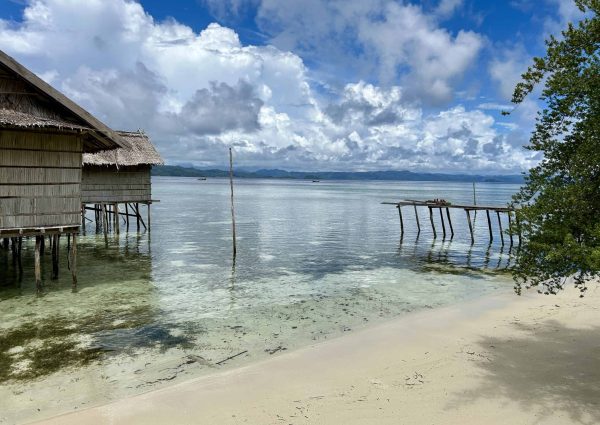
Yes! Locally run homestays offer beachfront and over the water huts with meals for 30–60 USD/night — authentic and community-friendly.
• Homestay: Budget-friendly, cultural immersion.
• Resort: Comfortable and ideal for couples or divers.
• Liveaboard: Best for exploring multiple dive sites.
Many travelers combine homestays and resorts for variety.
Stay at least 5–7 days. 10 days let you explore several islands without rushing.
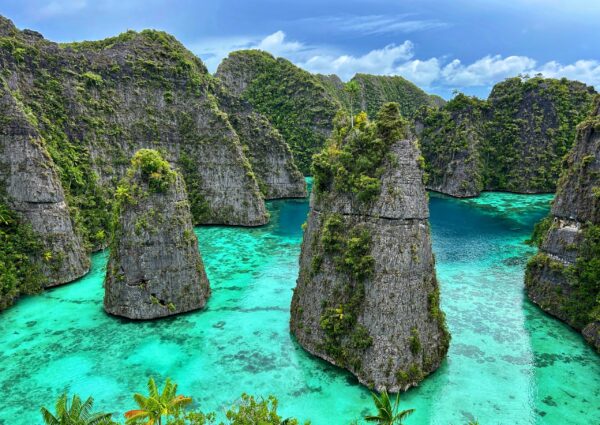
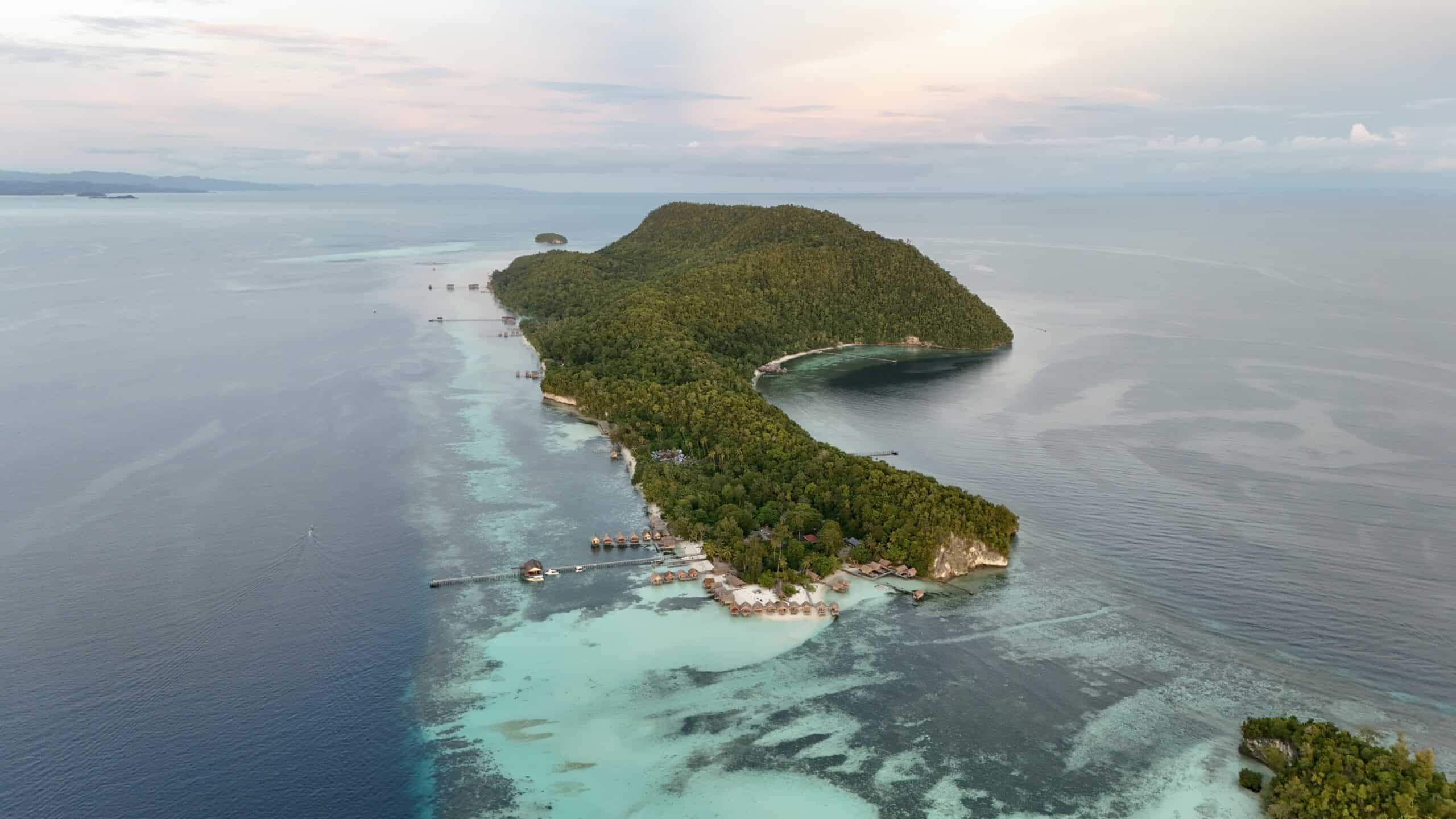
Popular choices include Kri, Gam, Arborek, Piaynemo, Wayag and Misool — each offers incredible reefs and landscapes.
• Wayag viewpoint – iconic limestone peaks.
• Piaynemo lagoon – equally photogenic and easier to reach.
• Arborek Village – local culture & snorkeling.
• Cape Kri – one of the world’s richest coral sites.
Both are stunning. Wayag feels wilder and more remote; Piaynemo is more accessible and ideal for photos.
Absolutely! Even without diving, you can snorkel, kayak, hike viewpoints or simply relax on empty beaches.
Yes — spots like Manta Sandy and Manta Ridge near Arborek are famous for manta encounters, especially Jan – Apr.
Destinations / What to See
Activities
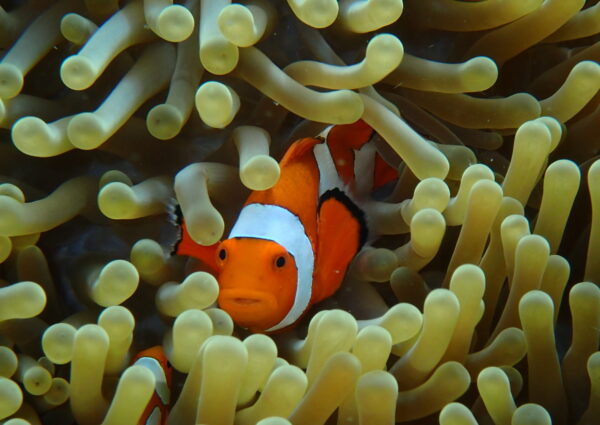
It’s one of the best snorkeling destinations on Earth — vibrant reefs begin just meters from the shore.
Yes. Many dive centers cater to beginners, though some sites have strong currents. Always dive with certified guides.
Expect manta rays, turtles, reef sharks, seahorses, colorful coral and on land, birds-of-paradise and cuscus marsupials.
Yes, you can join community-based eco-tours for fishing, cooking or visiting local schools. Hiring local guides supports island communities.
A liveaboard is a dive boat where you eat, sleep and dive — often 3–4 times a day. It’s the best way to explore Raja Ampat’s remote reefs and hidden islands, far from day-trip crowds.
Most liveaboards require Advanced Open Water certification and drift-dive experience. Beginners can dive safely at local resorts with guidance.
Usually 20+ dives in a week — including day, night and drift dives at different islands.
Expect coral gardens, manta cleaning stations, shark dives and amazing macro life like pygmy seahorses.
Yes! Many liveaboards welcome snorkelers and offer kayaking or beach trips between dives.
Yes, but great value for divers. Prices start around US$250–400 per day, including all meals and dives.
Dive card, insurance, 3–5 mm wetsuit and reef-safe sunscreen. A surface marker buoy (SMB) and your own mask and fins is also recommended.
Yes. Always follow your dive guide’s briefing and have insurance that covers diving and evacuation.
Check the itinerary, safety record, dive level required and eco-practices. Look for responsible operators who protect Raja Ampat’s reefs.
Diving & Liveaboard

Facilities &
Off-the-Beaten-Track

Raja Ampat is beautiful but basic in many areas. Most islands are small and remote, so don’t expect city comforts.
• Electricity: Often runs only at night (6 pm–6 am).
• Internet: Limited or nonexistent — a great digital detox.
• Shops & restaurants: Usually just small local stores and your accommodation’s kitchen.
• Water: Often rainwater or desalinated; use it wisely.
• Laundry: Hand washing or small local services.
If you stay at resorts, you’ll get more comforts (24 h power, Wi-Fi, AC). At homestays, you’ll enjoy simpler living — fans, bucket showers, and a hammock by the sea. It’s all part of Raja Ampat’s charm!
Every corner of Raja Ampat feels remote, but some areas are truly wild:
• Misool (south) – dramatic karst cliffs, hidden lagoons and secret beaches.
• Batanta Island – lush jungle treks and waterfalls, rarely visited.
• Waigeo’s northern coast – tiny villages and bird-of-paradise watching.
• Fam Islands – small, stunning, less crowded than Piaynemo.
The farther you go from Waisai, the fewer tourists you’ll see — and the richer the sense of discovery.
Raja Ampat isn’t just reefs — it’s home to the friendly Papuan islanders. Many homestays are run by local families, so you can easily join village life:
• Stay in community-run homestays like Arborek or Sawinggrai.
• Join cultural tours (singing, weaving, fishing trips, cooking lessons).
• Visit local schools or churches respectfully.
• Hire local guides — your money stays in the community and they’ll show you hidden gems tourists never see.
Always ask permission before photographing people or villages, and greet with a smile — you’ll be warmly welcomed.
Yes, it’s one of Indonesia’s safest regions. The main hazards are sunburn, coral cuts and dehydration — nothing a little care can’t handle.
Very safe. Locals are respectful and helpful. Choose trusted homestays, inform hosts of your plans and dress modestly in villages.
There’s a low to moderate risk. Use repellent, long sleeves and mosquito nets. Consider prophylaxis after consulting your doctor.
•Reef-safe sunscreen and mosquito repellent
•Lightweight clothing, swimwear and rash guard
•Dry bag, snorkel set and reusable bottle
•Cash (few ATMs), flashlight and power ban
•Respect for nature and local culture!
Safety, Health & Packing Tips